Zakynthos has no shortage of beautiful beaches, but Xigia Beach stands apart. Tucked into a small cove on the north-eastern coast of the island, Xigia is known for its striking turquoise water and the natural sulphur springs that feed into the sea from the surrounding cliffs. The combination of dramatic coastline, deep blue water, and the distinctive sulphur-rich springs makes it one of the most unique places to visit in Zakynthos.
Discover Xigia Beach
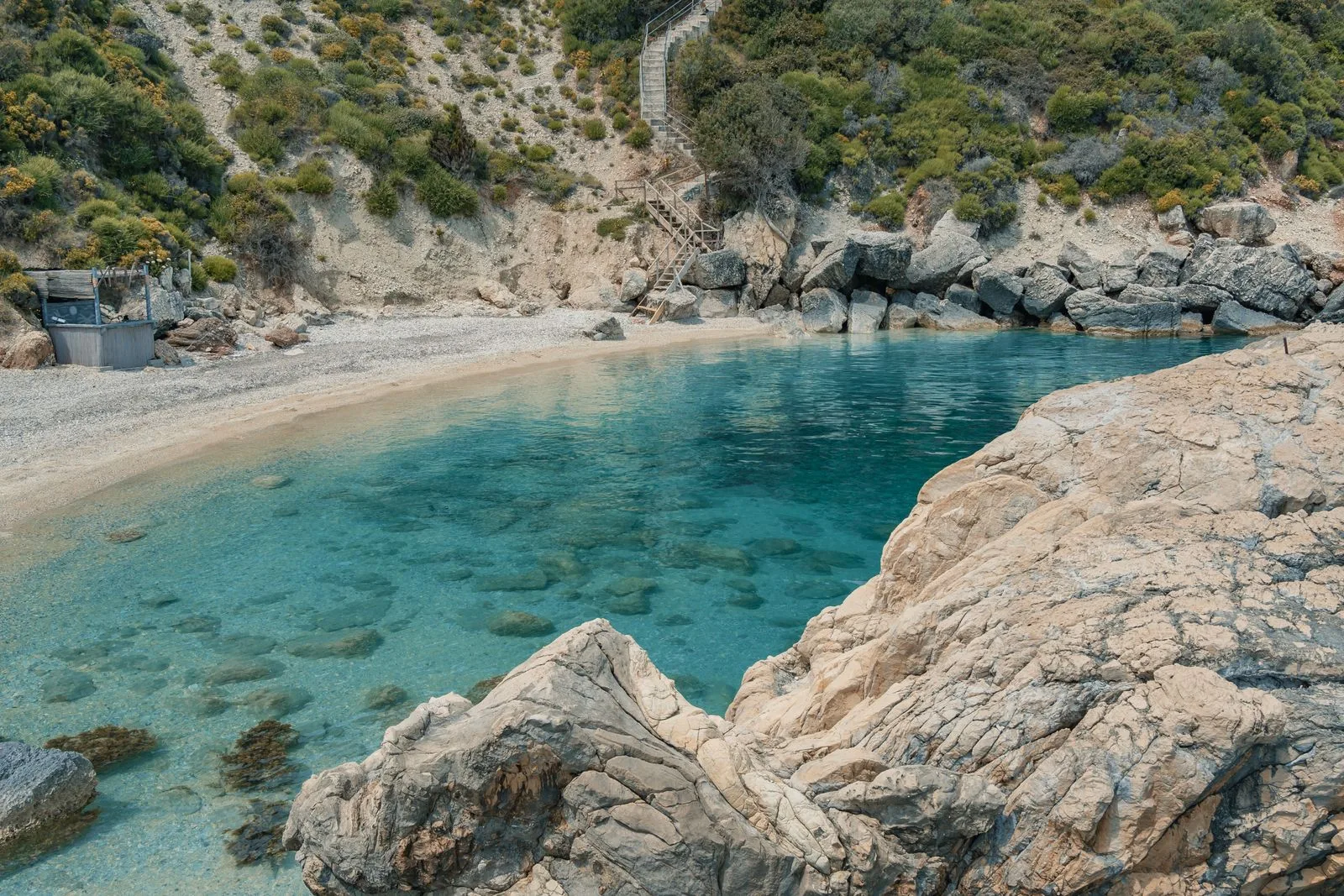
Xigia Beach is a small cove on the north-eastern coast of Zakynthos, set between steep cliffs that drop directly into the Ionian Sea. The beach itself is compact — a narrow strip of pebbles and shingle — but the water is extraordinary: a vivid turquoise that shifts to deeper blue as the sea floor drops away from the shore.
What makes Xigia genuinely unique is not just the colour of the water. Natural sulphur springs in the surrounding cliffs feed into the sea here, and the presence of sulphur is noticeable — both in the slightly milky, mineral-rich appearance of the water near the shore and in a faint, distinctive scent that hangs in the air. This is entirely natural and is what gives Xigia its reputation as one of the most unusual beaches in Zakynthos.
Where is Xigia Beach?
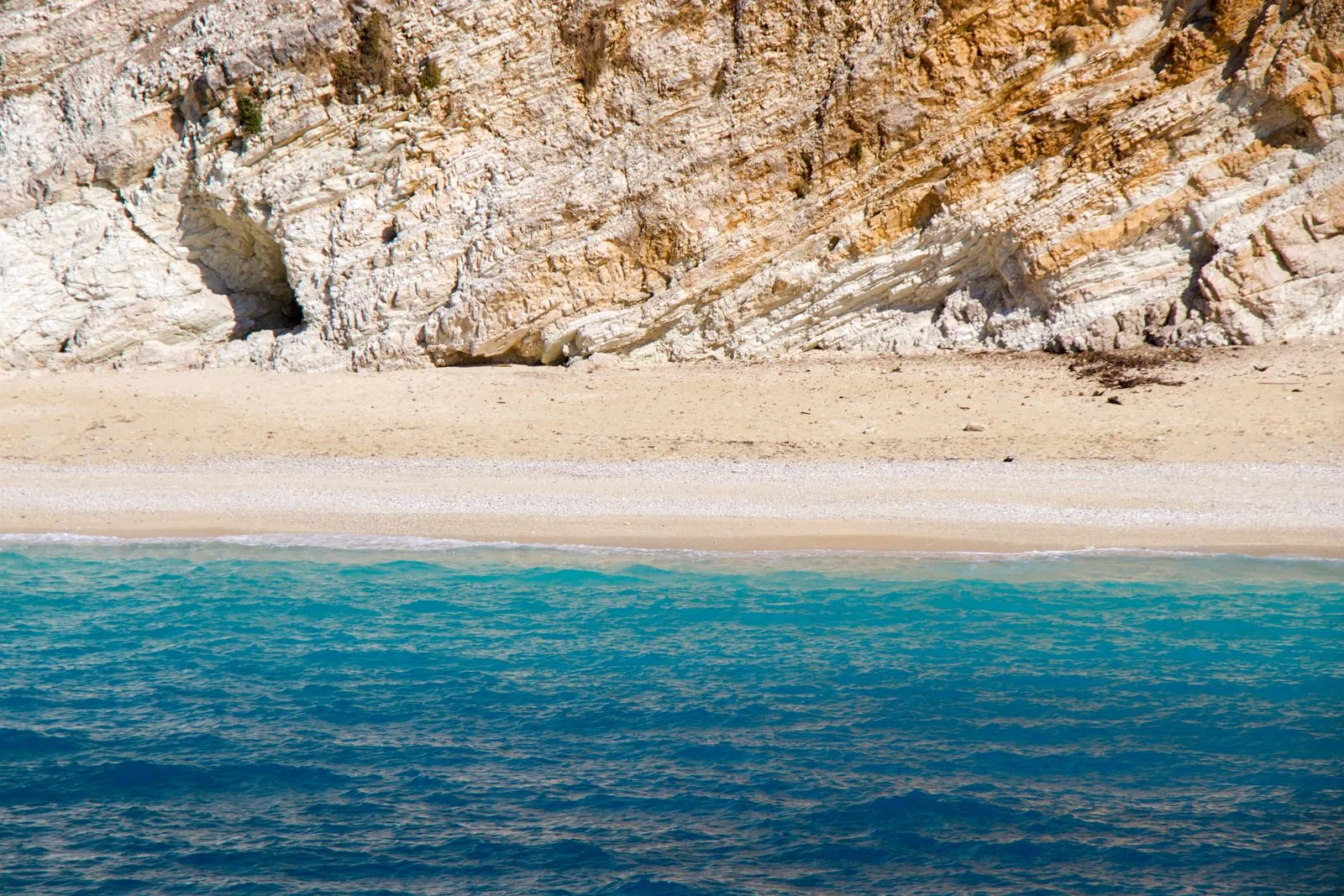
Xigia Beach is located on the north-eastern coast of Zakynthos, along the main coastal road that runs between Zakynthos Town and the northern part of the island. It is relatively easy to reach compared to some of the more remote beaches on the western coast, and it is well-placed as a stop on a northern Zakynthos road trip. The beach sits below the road level, between steep cliffs that shelter the cove. There are actually two sections commonly referred to as Xigia — the main beach and a smaller adjacent area — but both share the same dramatic setting and sulphur-rich waters.
Why is Xigia Famous?
Xigia is famous for two things: the extraordinary colour and clarity of its water, and the natural sulphur springs that feed into the sea. The sulphur enters the water through underwater springs in the surrounding cliffs — the same geological activity that shaped the dramatic coastline of Zakynthos also created the conditions for these mineral springs. It is this mineral content that gives the water its distinctive appearance and scent, and the result is a swimming experience that feels genuinely different from other beaches on the island.
The water is a vivid turquoise, clearer and more intensely coloured than at many other beaches on the island. Near the shore, where the springs are most active, it can take on a slightly milky or cloudy appearance as the mineral content mixes with the seawater. The scent of sulphur is noticeable but not overwhelming — most visitors describe it as a faint, slightly eggy smell that is strongest near the shore and dissipates as you swim further out.
Xigia is sometimes described as a therapeutic or healing beach. While the sulphur-rich water is a natural feature that many visitors find interesting and enjoyable, we do not make any medical or therapeutic claims about the water. The experience of swimming in mineral-rich water is pleasant in its own right — but if you have any health concerns, you should consult a professional rather than relying on beach water.
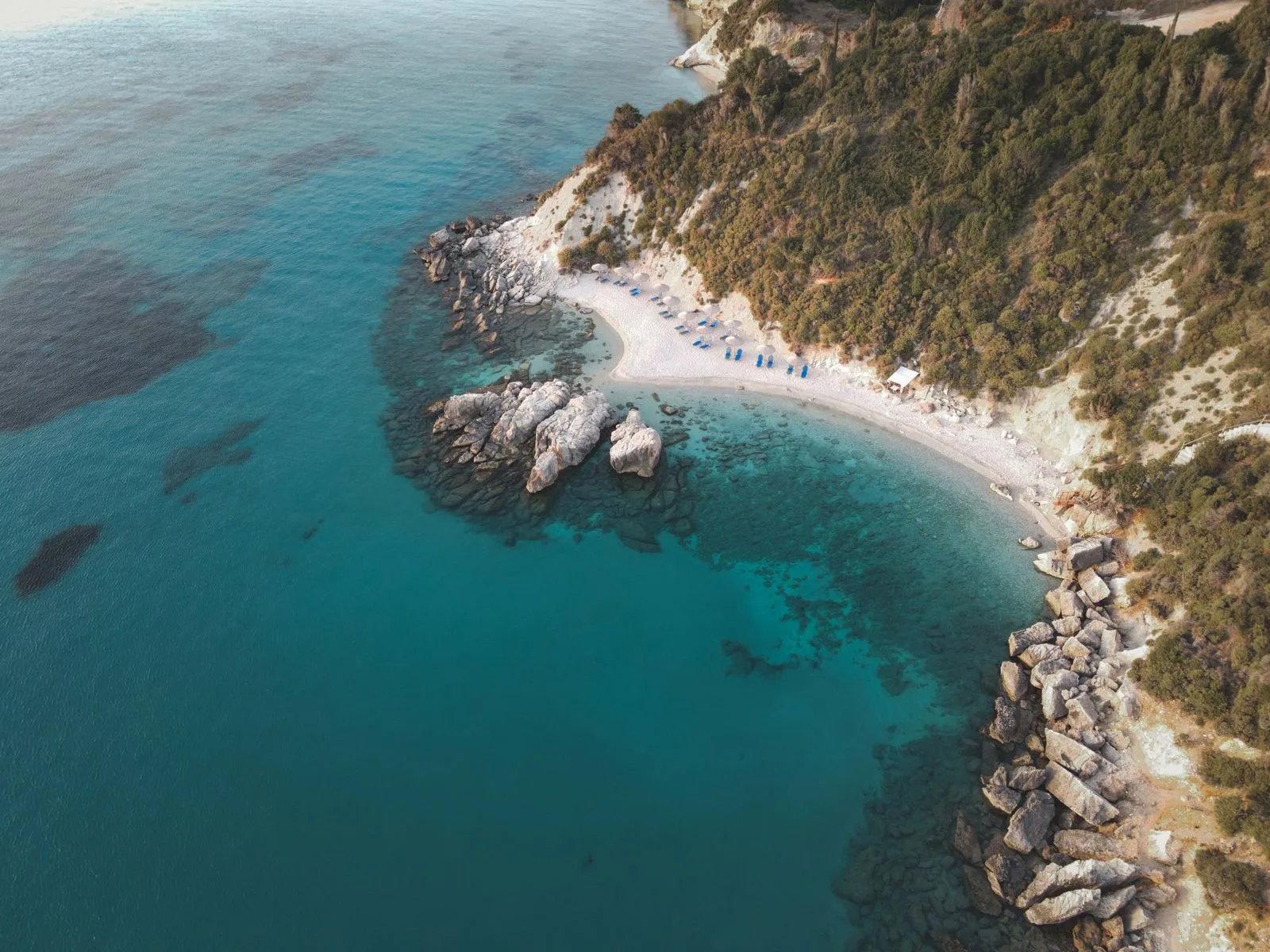
Swimming at Xigia Beach
Swimming is the main reason people come to Xigia, and the water is genuinely superb. The cove is sheltered by the surrounding cliffs, which means the water is typically calmer than on more exposed parts of the coast. The depth drops off fairly quickly from the shore, so the swimming is deep and refreshing — ideal on a hot afternoon.
The beach is a small, narrow strip of pebbles and shingle rather than soft sand, and it can feel crowded during the peak hours of a busy summer day. The setting, however, is spectacular, with steep cliffs rising on either side and open sea stretching out in front. Because the beach is pebbly, water shoes are a good idea — they make walking on the beach more comfortable and make entering and exiting the water over the pebbles much easier.
The clarity of the water makes it a good spot for snorkelling. Fish are visible near the rocks at either side of the cove, and the underwater scenery along the cliff base is worth exploring if you have a mask and snorkel.
How to Get to Xigia Beach
Xigia Beach is on the north-eastern coast of Zakynthos, along the main coastal road. The easiest way to reach it is by hiring a car — there is no direct public transport to the beach. From Zakynthos Town, take the main road north-east along the coast. The drive is straightforward and scenic, with views of the Ionian Sea opening up as you round the headland.
From Tsilivi and other eastern resorts, Xigia is a short drive north along the coast.
Parking and Access
There is a parking area above the beach, close to the road, and from there you descend on foot to the cove via a path and steps. The walk down is short but involves some uneven ground, so wear appropriate footwear — flip-flops are not ideal. During peak summer hours, the parking area can fill up, and the beach itself can get crowded. Arriving earlier in the morning gives you the best chance of a parking spot and a quieter experience on the beach.
Best Time to Visit
Xigia is beautiful at any time of day, but mornings are the most peaceful. The light is softer, the water is at its clearest, and you are more likely to have space on this small beach to yourself. Late afternoon is also a good time — the crowds thin out, the sea is still warm, and the cliffs provide some welcome shade as the sun drops toward the west.
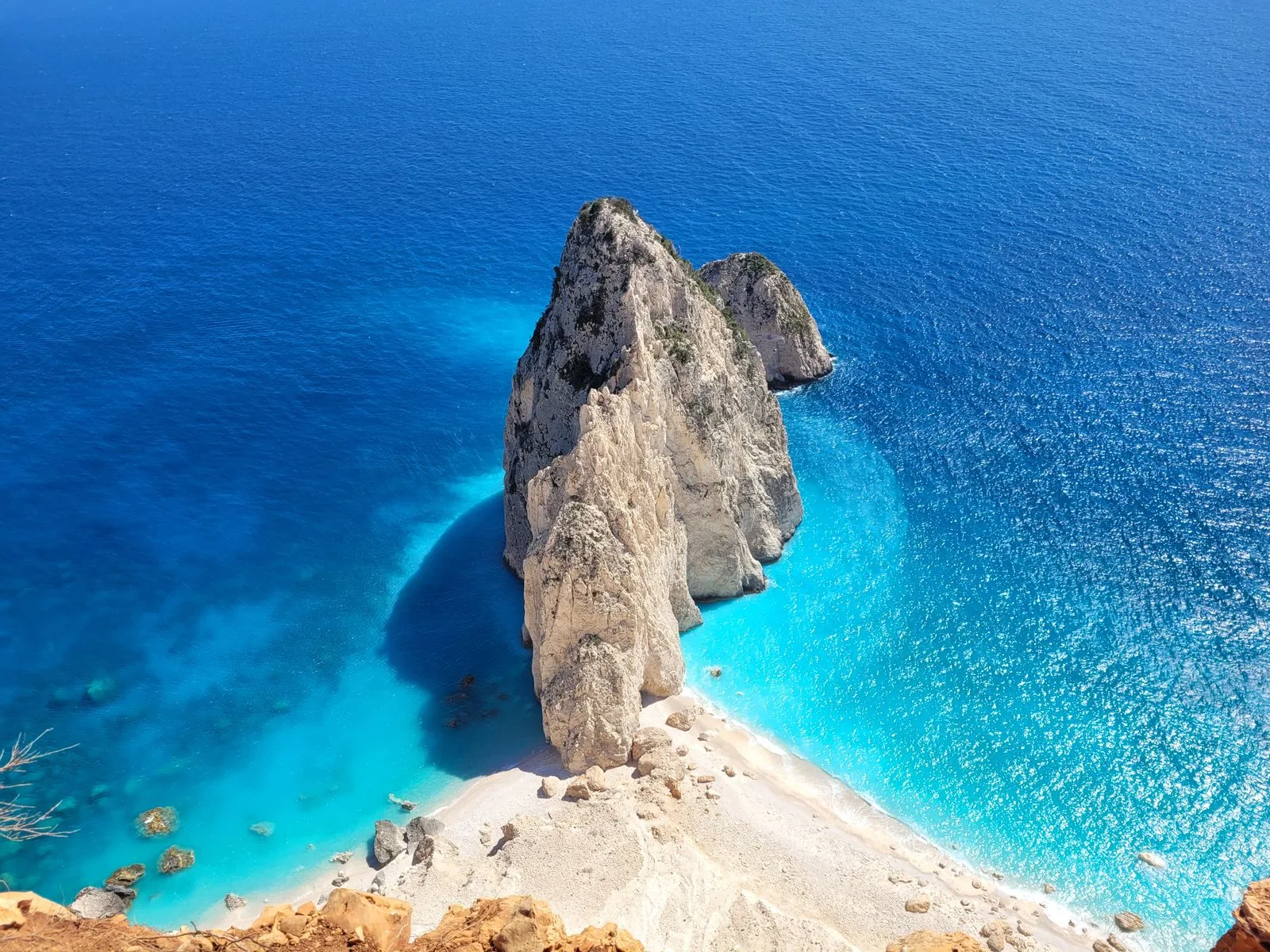
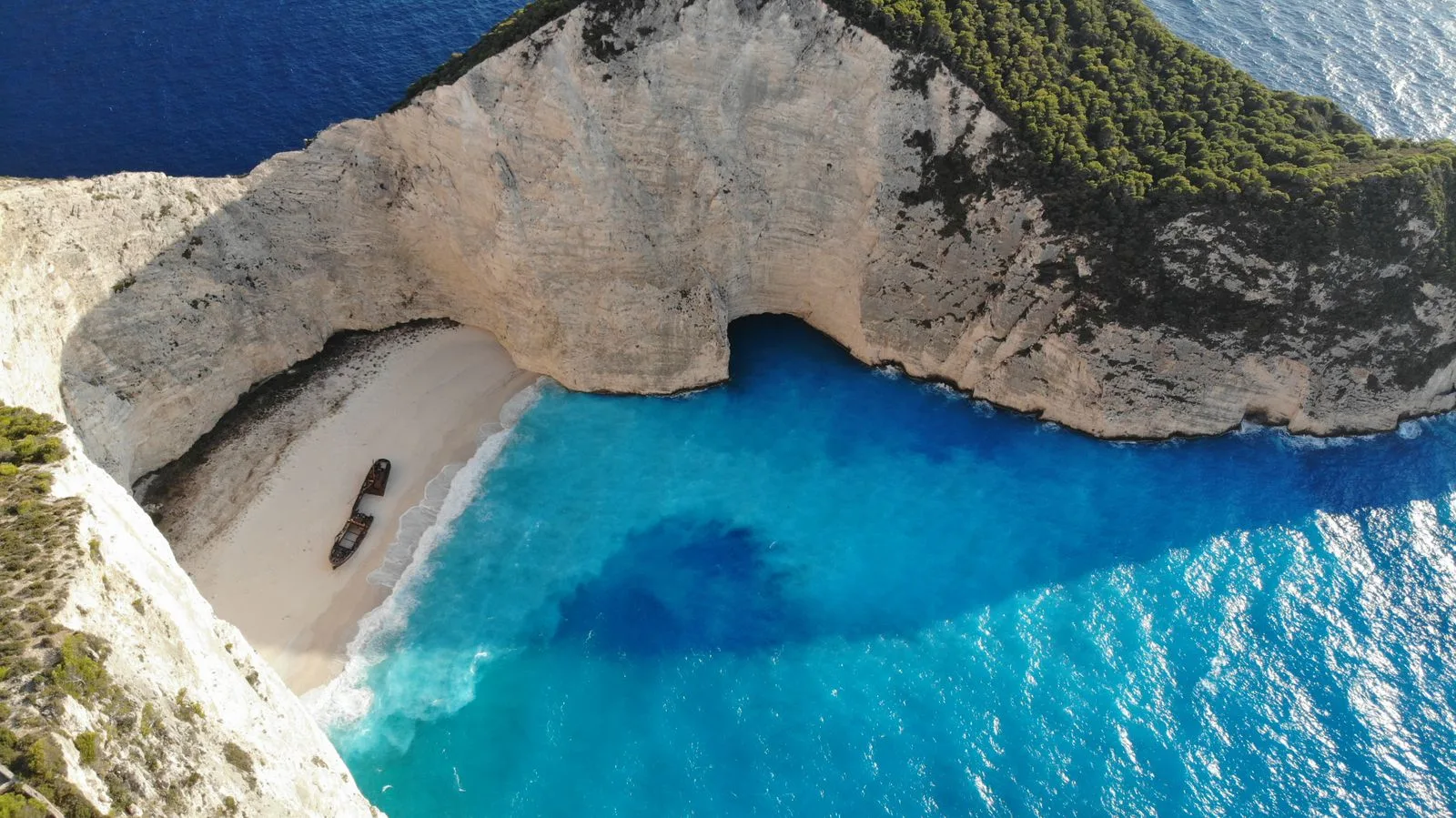
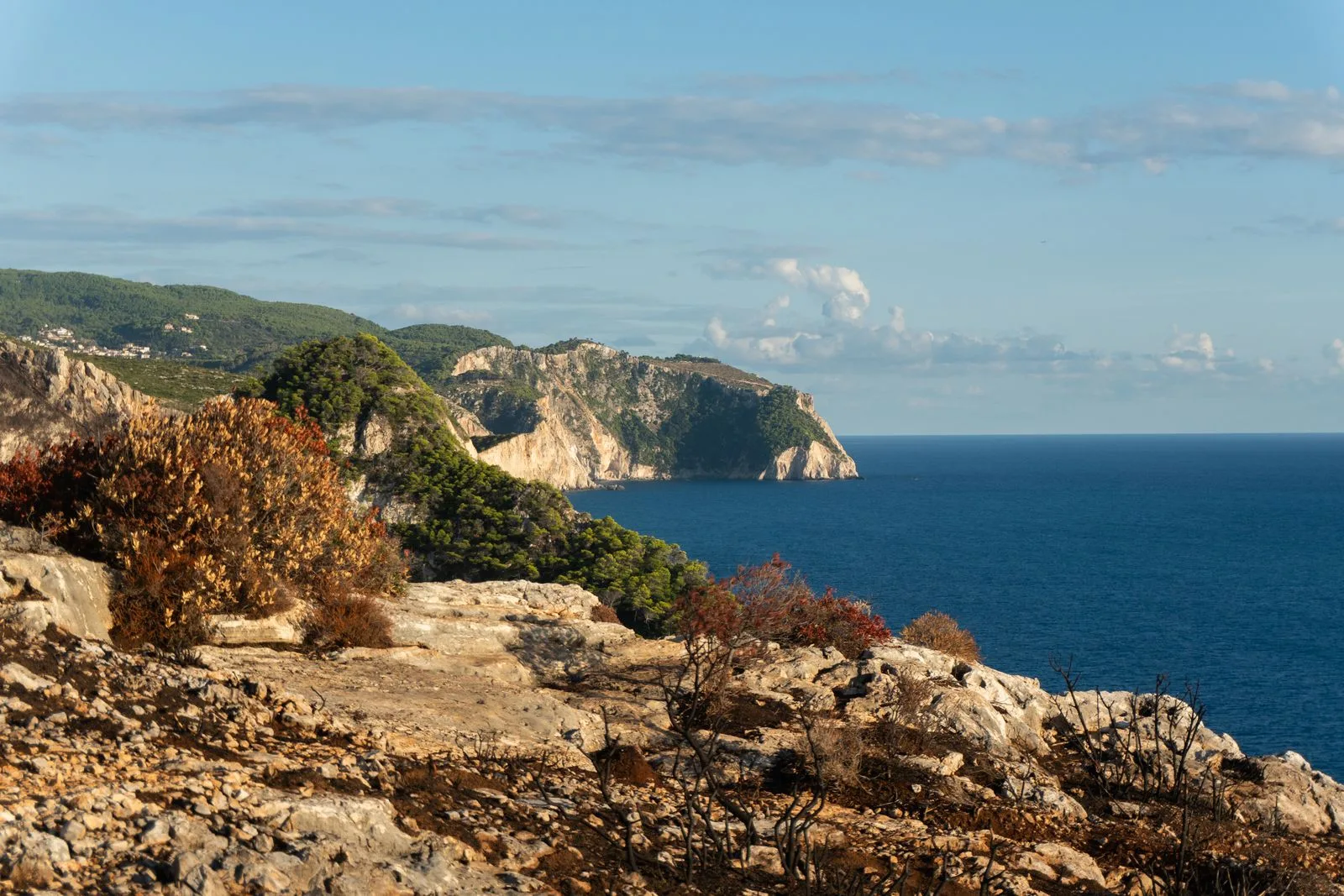
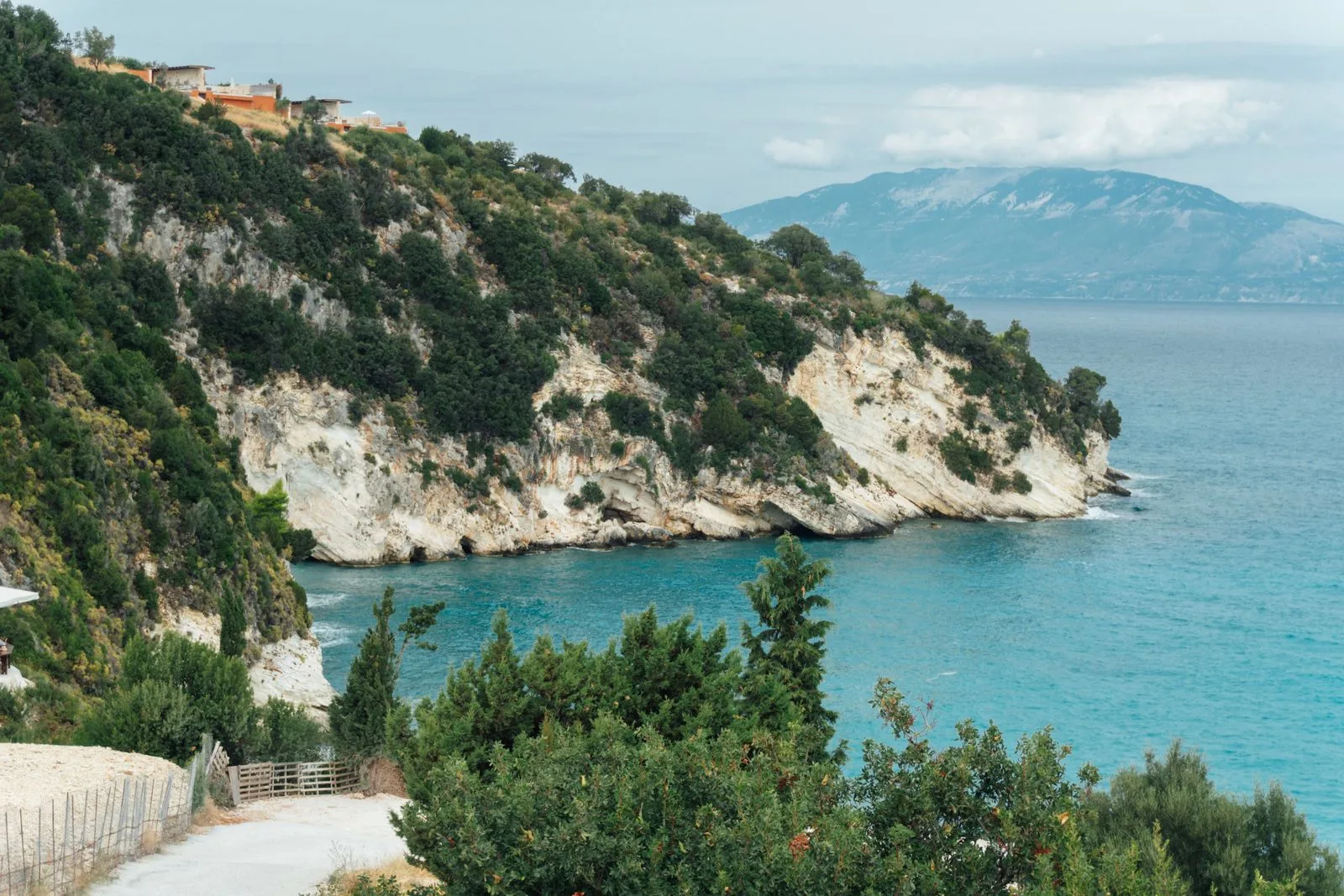
The north-eastern coast of Zakynthos offers some spectacular viewpoints, and the road above Xigia is no exception. As you approach the beach along the coastal road, there are points where you can stop and look down at the cove from above — a perspective that really shows off the turquoise colour of the water against the white cliffs. The elevated view from the road is one of the best ways to capture the dramatic setting of Xigia, with the contrast between the deep blue open sea, the bright turquoise of the sheltered cove, and the white and green of the cliffs making for a striking composition.
What to Bring
- •Water shoes — the beach is pebbly and the entry to the water is over stones
- •Sunscreen and a hat — there is limited natural shade on the beach
- •Plenty of drinking water — there are no facilities on the beach itself
- •Snorkelling gear — the water clarity makes Xigia a good spot for snorkelling near the rocks
- •A towel or mat to sit on the pebbles
- •A waterproof bag for valuables if you plan to swim
Nearby Places and Exploring by Car
Xigia is well-placed as part of a northern Zakynthos itinerary. The area around Cape Skinari at the northern tip of the island offers dramatic scenery and the famous Blue Caves, which are visited by boat tours departing from the northern harbours. A good northern itinerary might start with a morning swim at Xigia, continue to the Blue Caves area at the northern tip, and then loop back through the interior villages. If you have more time, you can extend the route to the western coast — the dramatic cliffs and rocky coves around Porto Limnionas and the Mizithres viewpoint offer a completely different perspective on the island.
Further along the coast, the eastern side of the island has popular resort beaches like Tsilivi, while the western coast — reachable via a cross-island drive — offers a completely different landscape. The dramatic rocky coves of the west coast, like Porto Limnionas, are a striking contrast to the sheltered turquoise waters of Xigia. Our guide to Porto Limnionas covers everything you need to plan a visit to the western side of the island.
Ready to explore Zakynthos by car?
Book your rental car online and pay on delivery. No deposit, no credit card required.
Search Available Cars