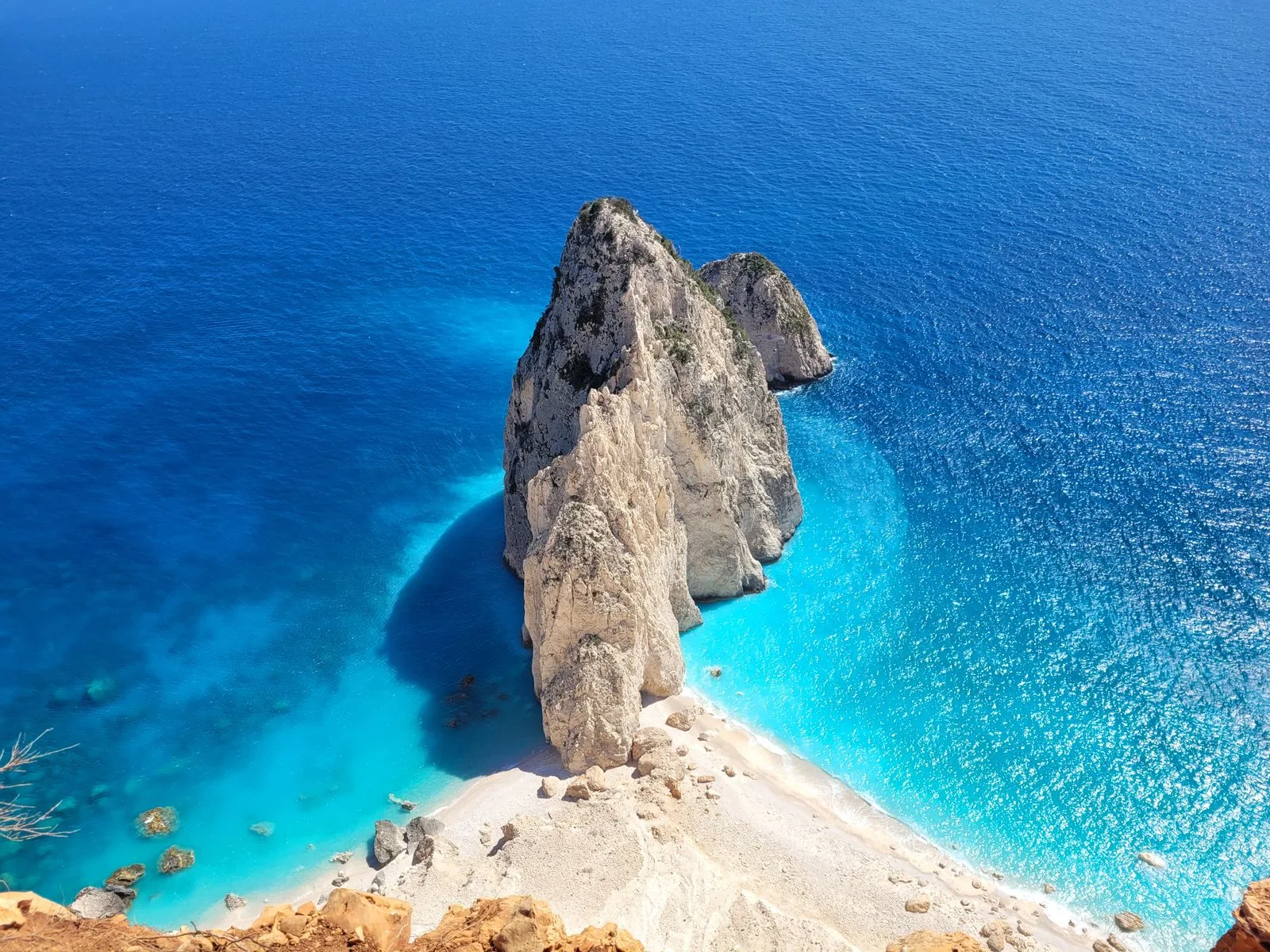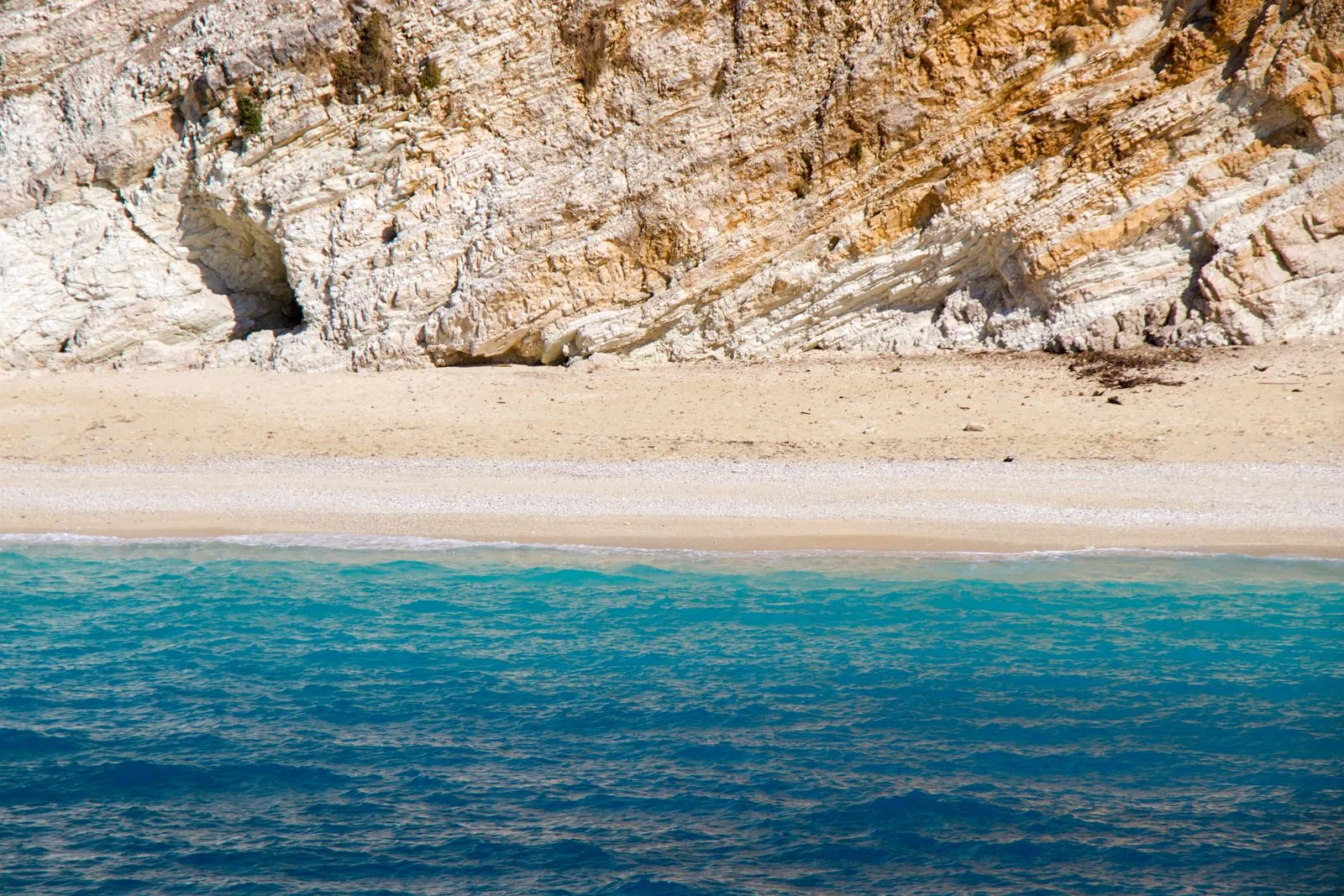
Gerakas Beach is one of the most beautiful and naturally preserved beaches in Zakynthos. Located at the southern end of the Vasilikos peninsula on the island's south-eastern coast, it is a long stretch of golden sand backed by low clay cliffs and Mediterranean vegetation, with the kind of clear, turquoise water that makes Zakynthos famous. It is also one of the most important nesting sites in the Mediterranean for the loggerhead sea turtle, Caretta caretta, which gives the beach a special, protected character.
Discover Gerakas Beach
Gerakas is a natural, unspoiled beach at the southern tip of the Vasilikos peninsula. Unlike the busier resort beaches of Laganas or Tsilivi, Gerakas has been kept deliberately wild — there are no sunbeds, no beach bars, and no permanent structures on the sand. The beach is backed by soft clay cliffs that glow warm in the afternoon light, and the sand is fine and golden, sloping gently into the clear, shallow water of the Ionian Sea.
Where is Gerakas Beach?
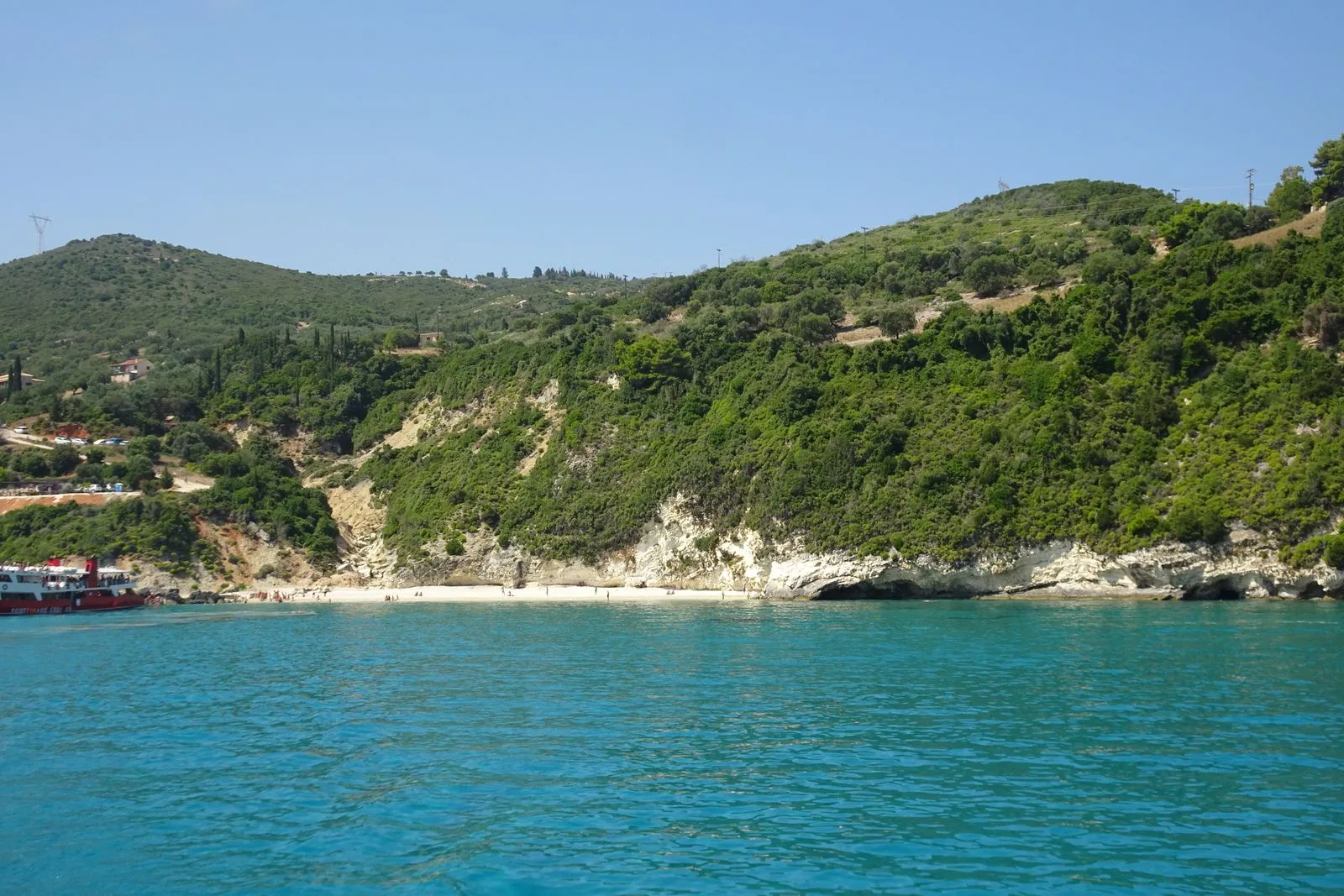
Gerakas Beach is located at the southern end of the Vasilikos peninsula, on the south-eastern coast of Zakynthos. The Vasilikos peninsula is the large, leafy promontory that juts out from the south-eastern side of the island, separating Laganas Bay to the west from the more open Ionian Sea to the east. The area is a mix of pine forests, olive groves, low cliffs, and a string of beaches along its coastline, with Gerakas at its southernmost point.
What Makes Gerakas Special?
Gerakas is special for two reasons. The first is its natural beauty — the combination of golden sand, clear turquoise water, soft clay cliffs, and Mediterranean vegetation creates a landscape that feels more like a nature reserve than a beach. The second is its protected status. As one of the most important nesting beaches for the Caretta caretta sea turtle, the beach is carefully managed to minimise human impact, which has preserved its wild character even as other parts of Zakynthos have developed. The result is a beach that offers something genuinely rare on a busy Greek island: a quiet, natural, uncommercialised stretch of coastline where the focus is on the landscape and the wildlife rather than on sunbeds and music.
Gerakas is one of the primary nesting beaches for the loggerhead sea turtle, Caretta caretta, in the Mediterranean. The turtles come ashore at night during the nesting season to dig nests in the sand and lay their eggs, and the hatchlings later emerge and make their way to the sea. The National Marine Park of Zakynthos was established to protect this nesting environment, and Gerakas is one of the most carefully monitored beaches in the park.
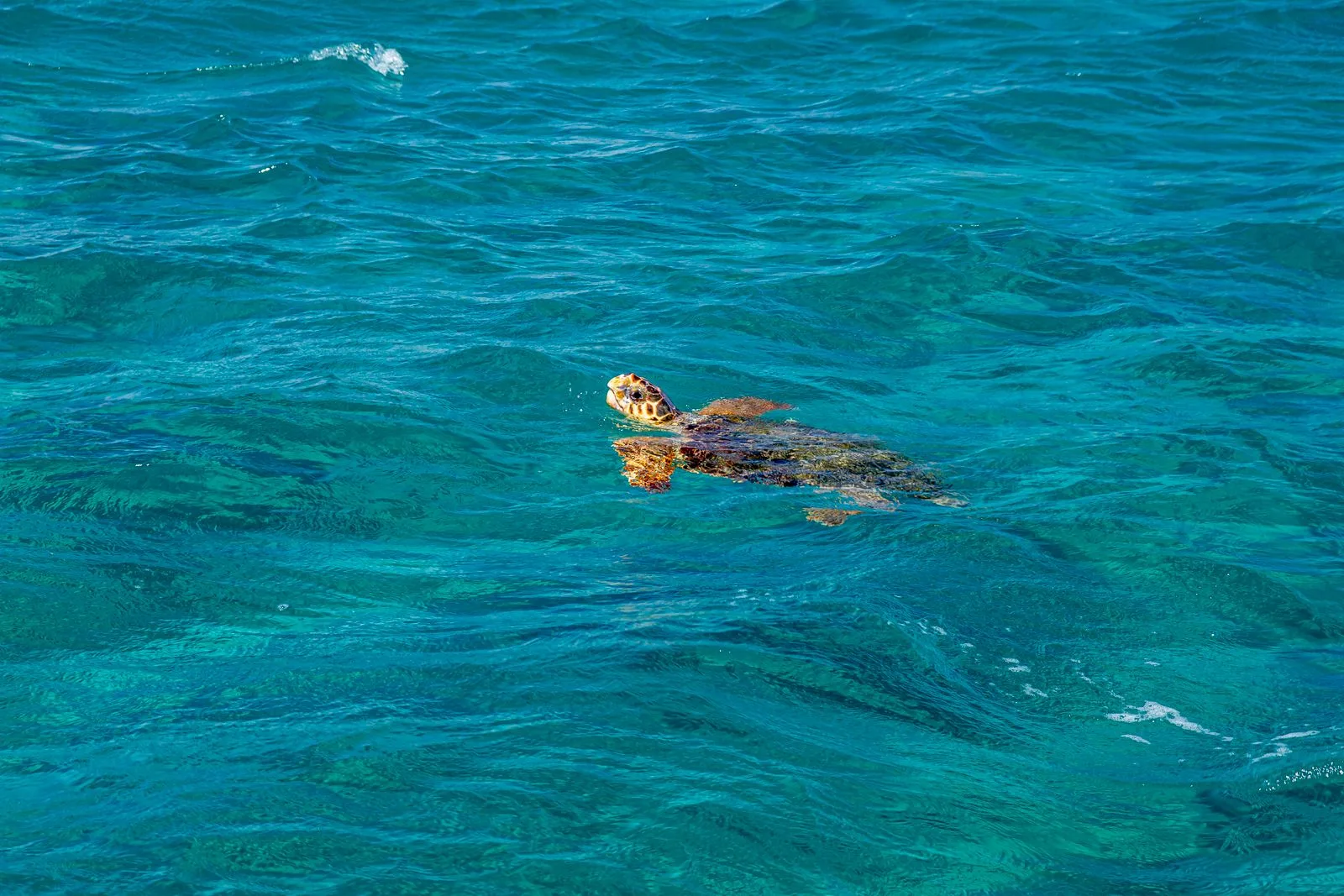
Because of the turtles, the beach is subject to specific visitor guidelines. These may include restrictions on access during certain hours, limits on where visitors can sit, and prohibitions on activities that could disturb nests. Stay within designated areas, do not cross cordoned-off nesting zones, do not leave litter, and do not use lights or flash photography on the beach at night during nesting season. Access conditions and visitor guidelines may vary seasonally — always follow the current signs and official guidance from Marine Park staff when visiting.
Swimming at Gerakas
The water at Gerakas is clear, calm, and shallow near the shore, making it ideal for swimming. The sandy bottom slopes gently, and the water is warm from late spring through early autumn. The beach is sandy with fine golden sand, backed by soft clay cliffs that rise gently behind it. There are no sunbeds, umbrellas, or permanent structures on the sand — the beach has been kept deliberately wild — so visitors should bring their own shade. The beach is fully exposed to the sun, so sun protection is essential.
Because the beach is uncommercialised, the swimming experience here is peaceful and natural — no jet skis, no loud music, just the sound of the sea and the surrounding nature. Certain areas of the beach may be cordoned off to protect turtle nests, and swimming may be restricted in specific zones depending on the season. Always check the signs on the beach and follow any guidance from Marine Park staff.
How to Get There
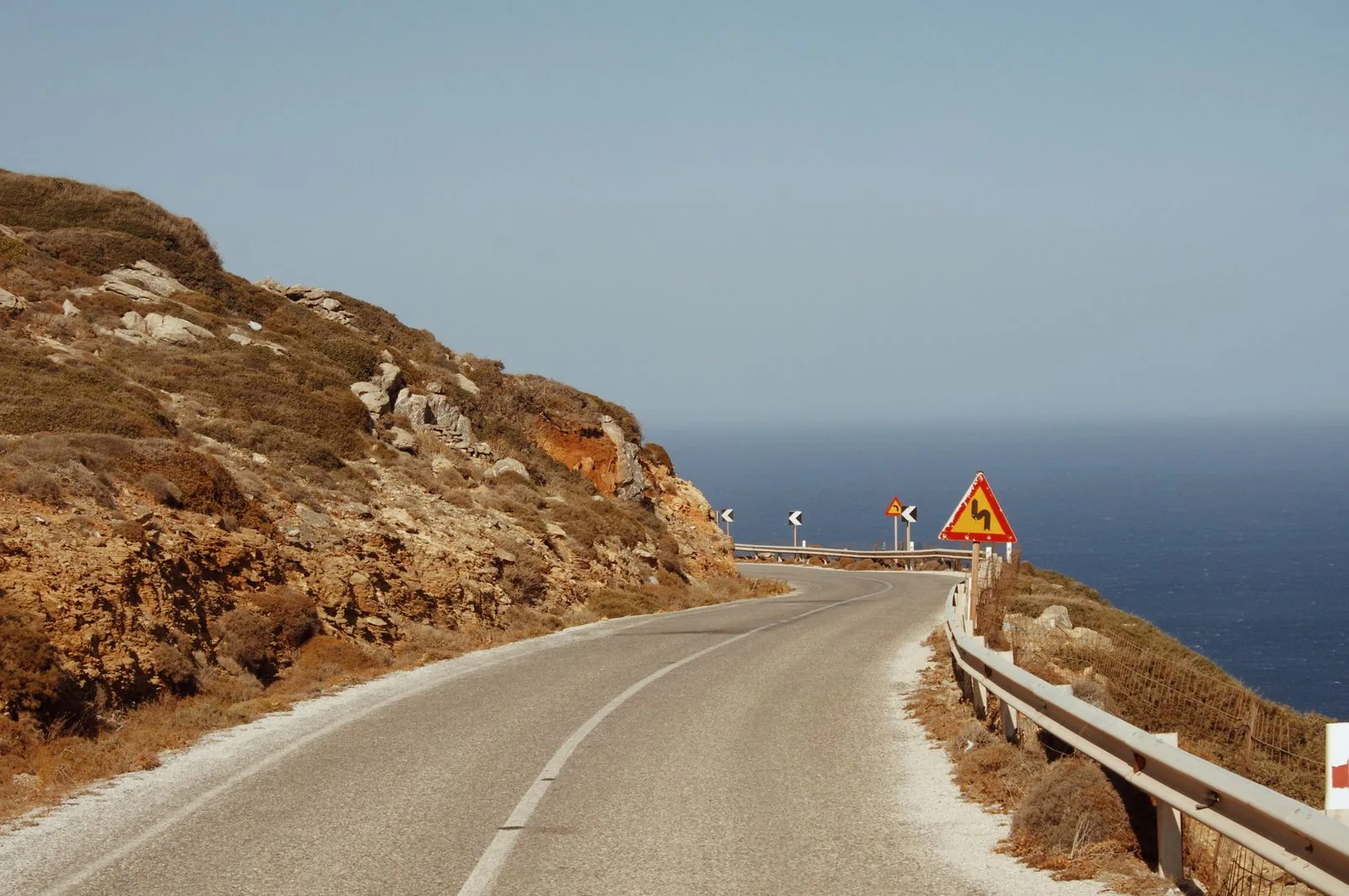
Gerakas Beach is reachable by rental car via the road that runs through the Vasilikos peninsula. From Zakynthos Town, drive south-east toward the Vasilikos area, following signs for the beaches along the peninsula. The road takes you through olive groves and pine forest, and as you approach the southern end of the peninsula, the landscape opens up with views of the sea on both sides.
The drive through Vasilikos is one of the most pleasant on the island. The peninsula is green and leafy, with a mix of pine forest, olive groves, and low Mediterranean scrub. The road is paved and generally well-maintained, though it becomes narrower and more winding as you move deeper into the peninsula.
Parking and Access
There is a parking area near the top of the cliffs above Gerakas Beach, and from there a path leads down to the sand. The walk is short but involves some uneven ground, so wear appropriate footwear. Because the beach is protected, access may be managed differently at different times of year — always check the current signs when you arrive.
Best Time to Visit
Gerakas is beautiful at any time of day, but the light is particularly warm and soft in the late afternoon, when the clay cliffs glow and the sun begins to lower over the peninsula. Mornings tend to be quieter, while midday brings the most sun and the clearest water colour. As with all protected beaches, the best time to visit also depends on current access conditions, so it is worth checking before you travel.
What to Bring
- •Your own umbrella or shade — there are no sunbeds or umbrellas on Gerakas
- •Sunscreen and a hat — the beach is fully exposed to the sun
- •Plenty of water — there are no beach bars or refreshment stands on the sand
- •A bag for your litter — keep the beach clean and take everything with you
- •Comfortable shoes for the path down from the parking area
- •Snorkelling gear if you enjoy it — the water is very clear
Exploring the Vasilikos Peninsula
Gerakas is the southernmost beach of the Vasilikos peninsula, but it is far from the only reason to explore this area. The Vasilikos peninsula is one of the greenest and most scenic parts of Zakynthos, with a string of beaches along its coastline, pine forests inland, and a network of quiet roads that make it a pleasure to explore by car. Unlike the busier resort areas of Laganas or Tsilivi, Vasilikos has kept a more relaxed, natural character.
The Vasilikos coastline includes several beaches, each with its own character. Banana Beach is one of the most popular — a wide, sandy beach with sunbeds and a beach bar, popular with families and water sports enthusiasts. Porto Roma is a smaller, quieter sandy beach at the eastern end of the peninsula. Dafni is another protected nesting beach, closer to Laganas Bay, with similar restrictions to Gerakas. Agios Nikolaos, at the northern end of the peninsula, is a small harbour town with a beach and waterside tavernas.
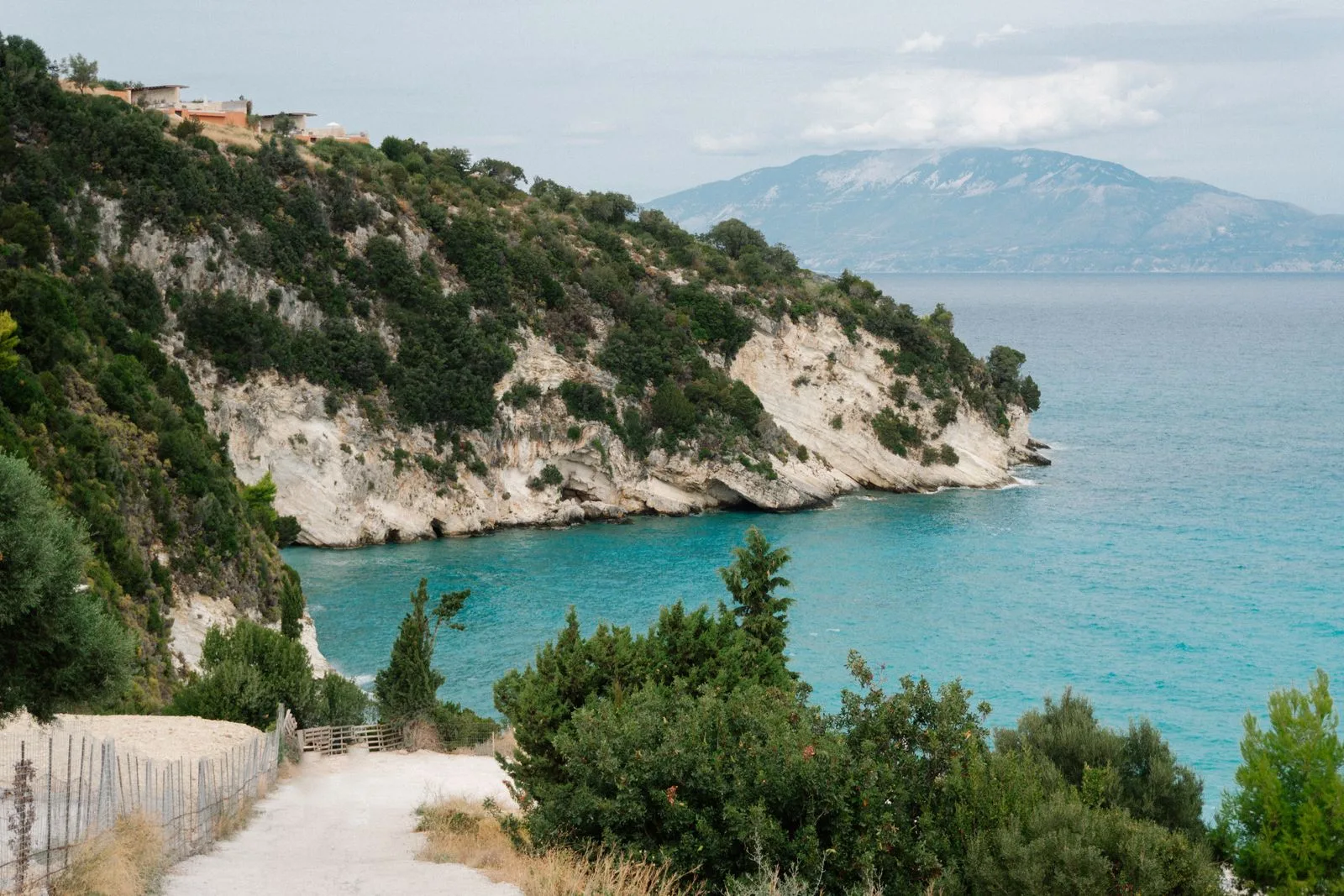
The drive from the northern end of the peninsula near Agios Nikolaos down to Gerakas at the southern tip takes you through the full range of Vasilikos landscapes, from harbour town to pine forest to wild nesting beach. The roads are quiet, the landscape is green and varied, and there are views of the sea opening up between the trees at regular intervals.
Where to Go After Gerakas
If you are exploring the Vasilikos peninsula by car, there are several directions you can take after visiting Gerakas. Heading north along the eastern coast of the peninsula takes you to Banana Beach, Porto Roma, and Agios Nikolaos. Heading west across the peninsula brings you to Dafni Beach and the edge of Laganas Bay. And heading further afield, the south-western coast of Zakynthos offers a completely different landscape — the dramatic clifftop viewpoints of the Mizithres and the turtle-spotting area of Keri and Marathonisi. Our guides to the Mizithres viewpoint and the Keri and Marathonisi area cover the south-western coast in detail, and both can be combined with a Vasilikos trip for a full southern Zakynthos itinerary.
Ready to explore Zakynthos by car?
Book your rental car online and pay on delivery. No deposit, no credit card required.
Search Available Cars